

The beverage industry is in the middle of a quiet but significant shift. Across coffee shops, grocery store shelves, and convenience stores, bottled tea is gaining real ground. Not the kind of growth driven by hype or temporary trends. This is a steady, measurable expansion driven by what consumers actually want to drink.
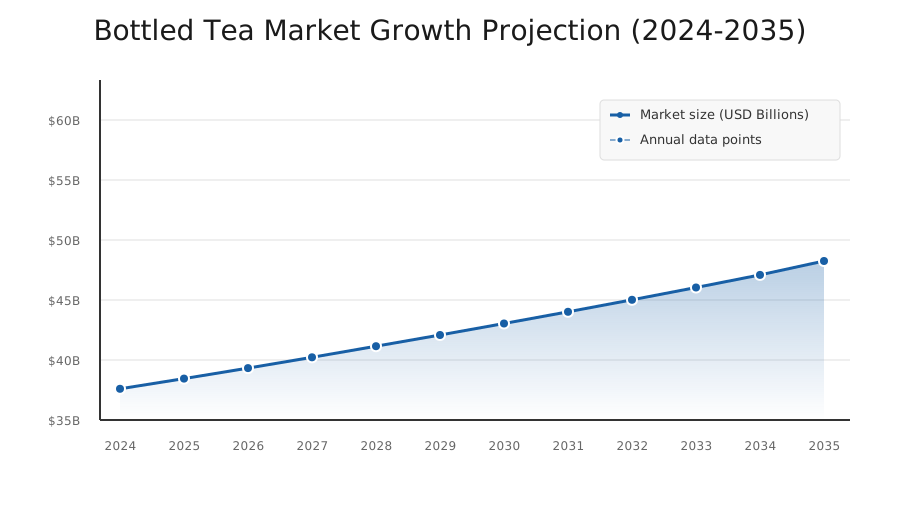
The numbers tell a straightforward story. The global bottled tea market was valued at $37.74 billion in 2024. By 2035, analysts project it will reach $60.04 billion. That’s nearly $23 billion in additional market value being created over a single decade. The bottled tea market growth rate sits at a consistent 4.31% compound annual growth rate, which might not sound dramatic until you realize that stability like this is rare in the beverage world.
But what’s really interesting isn’t the size of the market. It’s what the bottled tea market growth reveals about how people’s preferences are actually changing.
The Bottled Tea Market is Reshaping the Beverage Industry
Walk into almost any supermarket, and you’ll notice something. The tea section has expanded. Where there used to be a handful of options, now there’s diversity. Green teas. Black teas with unusual flavor combinations. Sparkling teas. Functional formulations with probiotics or adaptogens. This expansion isn’t random. It reflects genuine market dynamics and real consumer demand.
The bottled tea market growth story starts with a simple observation: people are tired of sugary drinks. They want refreshment without the guilt, health benefits that actually make sense, and convenience. Ready-to-drink tea delivers on all three fronts, which explains why the bottled tea market growth continues accelerating year after year.
What makes this growth particularly compelling is its consistency across different regions. Whether you’re looking at North America, Asia-Pacific, or emerging markets, the same pattern emerges. Ready-to-drink tea is gaining shelf space. New brands are entering. Existing brands are expanding. This isn’t a regional phenomenon. The bottled tea market growth is genuinely global.
The ready-to-drink tea market is especially interesting because it represents the intersection of three powerful consumer trends: health consciousness, desire for convenience, and willingness to pay premium prices for products that align with personal values. These trends aren’t disappearing. If anything, they’re becoming more pronounced.
Some Statistics Behind Bottled Tea Market
Numbers matter because they separate genuine trends from wishful thinking. The bottled tea market growth figures are substantial enough to deserve serious attention.
Current market valuation sits at approximately $37.74 billion globally as of 2024. That alone demonstrates we’re discussing a mature, significant market segment. But here’s what actually matters: the market continues expanding.
The bottled tea market growth trajectory shows a clear path forward. From 2025 at $39.37 billion, the market is projected to climb steadily toward $60.04 billion by 2035. To put this in concrete terms, that represents nearly $23 billion in new market value being created. For a beverage category, that’s substantial and sustained growth.
The compound annual growth rate of 4.31% deserves particular attention. In the beverage world, where trends come and go rapidly, consistency matters enormously. A 4.31% CAGR isn’t explosive, but it’s reliable. It suggests the market is expanding for fundamental reasons rather than temporary hype. When you compare this to many other beverage categories that are stagnating or declining, the bottled tea market growth becomes even more impressive.
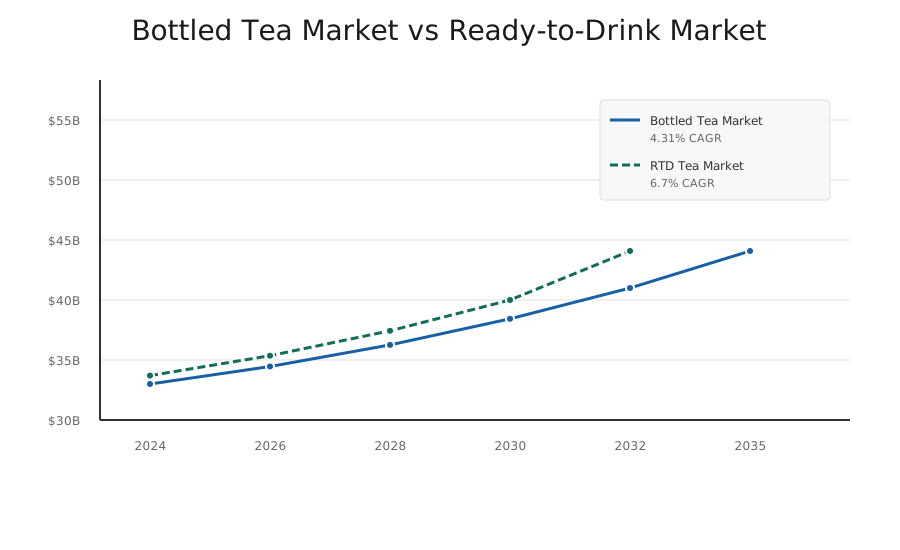
Different research organizations examining the bottled tea market growth picture arrive at similar conclusions, though with slight variations in specific projections. Some focus on the ready-to-drink tea market specifically, where growth rates can actually exceed the broader bottled tea market growth figures. The ready-to-drink tea market segment is projected to reach $57.6 billion by 2032, expanding at a 6.7% annual rate. This faster growth in the RTD category reflects consumer preference for convenient, pre-packaged beverages.
Understanding regional variations matters for grasping the complete bottled tea market growth picture. Asia-Pacific commands the largest share of the market due to deep cultural connections to tea and large populations. However, North America is experiencing strong bottled tea market growth momentum as consumers abandon sugary sodas for healthier options. The most exciting opportunities lie in emerging markets where rising incomes and urbanization are creating entirely new consumer bases.
Driving Force In The Market
Understanding why the bottled tea market growth is happening helps predict whether it will continue.
The primary driver is straightforward: health consciousness. People have become increasingly skeptical of sugary drinks. They understand that consistent consumption of high-calorie beverages contributes to weight gain and metabolic issues. Bottled tea offers a compelling alternative. It provides refreshment, flavor, and perceived health benefits without the guilt factor that comes with soda consumption.
The convenience factor operates as a second major driver. Modern life moves fast. People don’t have time to brew tea at home and wait for it to cool. They need something they can grab on their way out the door. Bottled tea solves this problem elegantly. The product exists precisely where consumers need it: in convenience stores, coffee shops, gyms, and grocery stores.
Flavor innovation keeps the bottled tea market growth interesting. Brands aren’t just selling plain black tea anymore. They’re creating fruit-infused blends, unusual herbal combinations, and great flavors that appeal to adventurous consumers. This innovation matters because it expands the category’s appeal beyond traditional tea drinkers. Someone who finds plain tea boring might discover a bottled tea flavor they love, becoming a regular purchaser.
The functional beverage trend also drives bottled tea market growth. Consumers increasingly want their beverages to do more than taste good. They want functional benefits. Probiotics for digestive health. Vitamins for immune support. Adaptogens for stress management. Brands responding to these demands are capturing premium market segments and driving overall category expansion.
Sustainability messaging influences bottled tea market growth in ways that many beverage companies are only beginning to understand. Consumers, particularly younger demographics, care about environmental impact. Companies investing in eco-friendly packaging, sustainable sourcing, and responsible business practices gain competitive advantage. This isn’t just marketing. It reflects genuine consumer values that influence purchasing decisions.
Natural ingredients represent another growth driver. People want to know what’s actually in their drinks. Bottled tea products emphasizing 100% natural claims, organic certifications, and clean ingredient lists resonate strongly with health-conscious shoppers. This transparency-first approach to marketing has become increasingly important for driving bottled tea market growth.
Each of these factors reinforces the others. Together, they create a self-reinforcing cycle that sustains and accelerates the bottled tea market growth we’re observing.
Ready-to-Drink Tea Category
The ready-to-drink tea market represents the sweet spot where convenience meets quality. This segment is experiencing even faster growth than the broader bottled tea market.
RTD tea doesn’t require brewing or steeping. You open, you drink, you move on. For busy consumers, ready-to-drink tea is the obvious choice. This explains much of the bottled tea market growth we’re tracking.
The ready-to-drink tea market is currently valued at $34.3 billion, with projections reaching $57.6 billion by 2032, expanding at a 6.7% compound annual growth rate. These figures, which focus specifically on RTD products, show that convenient, pre-packaged tea is outpacing general tea market expansion. The ready-to-drink tea market is where innovation is happening and where most growth is concentrating.
Green tea dominates the RTD segment. Ready-to-drink green tea captures approximately 52% of the bottled tea market share through superior wellness positioning. Health-conscious consumers specifically seek green tea because of its perceived antioxidant properties. The association between green tea and health benefits is so strong that it drives consumer purchasing decisions. This positioning explains why green tea commands such a large share of the ready-to-drink tea market.
But the story extends beyond basic green tea formulations. The ready-to-drink tea market now includes sophisticated functional products. Brands are adding probiotics for digestive health, adaptogens like ashwagandha for stress management, collagen for skin health, and vitamins for immune support. These formulations allow brands to command premium pricing and target specific health concerns. The ready-to-drink tea market is increasingly segmented, with different products addressing different consumer needs.
Distribution channels support ready-to-drink tea market success. The bottled tea market reaches consumers through retail stores (approximately 71% of sales), foodservice and vending (19%), and online channels (10%). This multi-channel distribution means ready-to-drink tea is available wherever consumers are. Whether someone shops at a grocery store, grabs a beverage from a vending machine, or orders online, ready-to-drink tea options exist.
The ready-to-drink tea market is also benefiting from packaging innovation. Single-serve bottles, refillable containers designed for sustainability, and premium glass packaging all contribute to market expansion. These packaging innovations support ready-to-drink tea market growth by addressing different consumer preferences and values.
What Consumers Want from Bottled Tea
Understanding consumer preferences reveals why the bottled tea market growth is sustainable and likely to continue.
Health-conscious consumers form the primary growth engine. These shoppers actively avoid high-sugar beverages and seek healthier alternatives. They read labels carefully. They care about ingredient transparency. The bottled tea market growth is directly fueled by their willingness to pay slightly more for products that genuinely align with wellness goals.
Specific health claims resonate strongly with consumers. Products marketed with these positioning statements consistently win:
- 100% natural ingredients
- Zero added sugar or low-sugar formulations
- Probiotic and prebiotic benefits
- Antioxidant claims (particularly green tea benefits)
- Artificial sweetener-free formulations
- Lower calorie content compared to traditional beverages
These claims aren’t marketing fluff. They directly influence purchasing decisions. Consumers comparing beverage options read labels carefully and make deliberate choices based on health positioning. The bottled tea market growth is partly a story about brands responding authentically to consumer demand for healthier options.
Demographic analysis reveals interesting patterns. Millennials represent a core consumer segment driving bottled tea market growth. But Gen Z consumers show even stronger preferences for bottled tea products, particularly those emphasizing functional ingredients or premium positioning. This generational preference creates confidence that bottled tea market growth will continue as younger cohorts age and maintain their beverage preferences.
Income levels and geography matter. Higher-income consumers in urban areas show stronger bottled tea purchasing behavior. This insight matters because rising middle-class populations in emerging markets represent significant growth opportunities. As disposable incomes increase in countries like India, Brazil, Vietnam, and Indonesia, bottled tea market growth is expected to accelerate substantially.
Lifestyle factors influence consumer choices. Busy professionals, fitness enthusiasts, people with active social calendars, and health-conscious individuals embrace bottled tea as a convenient wellness choice. The bottled tea market growth is partly a story about lifestyle alignment. The product fits seamlessly into how modern people actually live.
The Functional Tea Revolution
The functional tea movement within the ready-to-drink market represents one of the most significant bottled tea market growth drivers.
Consumers increasingly want their beverages to do more than taste good. They want measurable functional benefits. The ready-to-drink tea market is responding with formulations targeting specific health outcomes. Teas designed to boost energy, support digestion, improve sleep quality, and enhance immune function are proliferating.
This functional innovation appeals particularly to younger demographics who drive significant bottled tea market growth. Millennials and Gen Z consumers actively seek teas with clean labels, natural ingredients, and proven health benefits. They’re willing to pay premium prices for ready-to-drink tea that aligns with their wellness values.
Marketing claims matter here. Refrigerated bottled tea products with claims about probiotics, low calorie content, zero added sugar, and 100% natural ingredients are winning consumer favor. These positioning strategies directly support bottled tea market growth by creating strong emotional connections with health-conscious shoppers.
The ready-to-drink tea market is also seeing meaningful innovation in herbal blends. Ginseng, hibiscus, matcha, and other botanicals are appearing in bottled tea formulations that appeal to consumers seeking alternatives to traditional black and green tea. This variety within the ready-to-drink tea market contributes significantly to overall bottled tea market growth by expanding the category’s appeal.
Product launches demonstrate the pace of innovation. Brands consistently introduce new ready-to-drink tea varieties targeting specific consumer needs. Lipton introduced Immune Support RTD tea combining green tea with Vitamin C and Zinc. Twinings launched sparkling tea varieties addressing consumer demand for effervescent beverages with tea benefits. These launches keep the category fresh and engaging, sustaining bottled tea market growth momentum.
Geographic Opportunities and Regional Variation
The bottled tea market growth story plays out differently across regions, with some areas showing more explosive growth potential than others.
Asia-Pacific represents the largest bottled tea market opportunity globally. Countries like Japan, China, and South Korea have deeply embedded tea cultures. The bottled tea market growth in Asia-Pacific accelerates as urbanization increases and disposable incomes rise. The ready-to-drink tea market in this region is particularly strong, with convenience formats gaining rapid adoption among younger consumers.
Japan exemplifies what mature Asian bottled tea market growth looks like. Ready-to-drink tea is ubiquitous. Vending machines on nearly every street corner stock multiple RTD tea options. Convenience stores dedicate significant shelf space to bottled tea. Supermarkets carry extensive selections. This market saturation in Japan demonstrates what other Asian markets could eventually look like as they develop economically.
China represents enormous untapped bottled tea market growth potential. As the middle-class expands and urbanization continues, the bottled tea market growth in China is projected to accelerate significantly. Traditional tea culture is transitioning toward convenient ready-to-drink options. This shift creates substantial bottled tea market growth opportunities for brands positioned to capture emerging demand.
India, another major tea producer, is beginning to see meaningful bottled tea market growth. As consumer incomes rise and urban centers expand, ready-to-drink tea adoption is increasing. The bottled tea market growth opportunity in India is genuinely substantial given the country’s enormous population and rising disposable incomes.
North America shows different bottled tea market growth patterns than Asia. The region is experiencing steady expansion as consumers shift from sugary sodas toward healthier options. The bottled tea market growth in North America is driven more by premium positioning and functional innovation than pure volume expansion.
Europe represents a mature bottled tea market with modest but stable growth. The bottled tea market growth in Europe is supported by sustainability messaging and premium product positioning rather than mass-market volume expansion.
The most exciting bottled tea market growth opportunities exist in emerging economies experiencing fundamental consumer changes. Brazil, Vietnam, Thailand, and Indonesia represent significant frontier markets. Rising disposable incomes, growing urban populations, and increased exposure to global beverage trends create conditions for accelerated bottled tea market growth.
India specifically represents transformational bottled tea market growth potential. With over 1.4 billion people and rapidly rising middle-class incomes, the bottled tea market growth in India could eventually rival or exceed growth in more developed nations. As consumer awareness of health benefits spreads through cities, bottled tea market growth in India is poised to accelerate substantially.
Competition and Brand Dynamics
The bottled tea market growth opportunity has attracted major beverage companies and emerging brands alike, creating a dynamic competitive landscape.
Global beverage powerhouses dominate through existing distribution networks and brand recognition. Coca-Cola, PepsiCo, and Nestlé have the infrastructure to invest significantly in bottled tea market growth. Their established relationships with retailers and wholesalers accelerate market expansion.
Specific brands lead the market in different geographies. Pure Leaf commands significant U.S. market share in canned and bottled tea. Arizona holds strong second position. These brands benefit from decades of market presence and consumer familiarity, supporting continued bottled tea market growth.
Lipton, owned by PepsiCo, represents traditional bottled tea market strength. Though facing competition from premium brands, Lipton’s market presence supports bottled tea market growth through volume sales and extensive retail distribution. The brand’s recent functional formulations (like Immune Support combining green tea with Vitamin C and Zinc) exemplify how established brands are driving innovation and bottled tea market growth.
Starbucks represents an interesting case study in how brands from adjacent categories can accelerate bottled tea market growth. The coffee chain leverages its brand strength to capture premium positioning in bottled tea. This demonstrates that bottled tea market growth includes room for approaches beyond traditional tea brands.
However, the bottled tea market growth story includes significant space for smaller, specialized brands. Companies focusing on organic positioning, unique flavor combinations, functional ingredients, or sustainability leadership are capturing growing market segments. The bottled tea market growth landscape rewards authenticity and differentiation alongside scale.
Emerging brands gaining Western distribution represent another bottled tea market growth dynamic. Brands like Twinings, which originated in other tea markets, are expanding globally and contributing to bottled tea market growth in new regions.
The competitive landscape supporting bottled tea market growth remains dynamic. New brands launch regularly, often targeting specific consumer niches. This competitive dynamism keeps the bottled tea market growth environment energetic and innovation-focused.
Challenges to Bottled Tea Market Growth
The bottled tea market growth story isn’t entirely smooth. Real obstacles could impact growth trajectory if not properly managed.
Supply chain vulnerabilities pose genuine risks. Tea production concentrates in specific regions, primarily China, India, Kenya, and Sri Lanka. Weather disruptions, geopolitical tensions, and shipping complications create uncertainty. When supply chain issues occur, raw material costs increase, which pressures bottled tea market growth margins.
Commodity price volatility directly affects bottled tea market growth stability. When tea leaf prices spike, manufacturers face difficult choices: raise consumer prices (risking demand reduction) or absorb costs (reducing profitability). This cost pressure represents a genuine bottled tea market growth headwind.
Environmental concerns regarding packaging pose longer-term challenges. Despite sustainability efforts, bottled beverages face legitimate criticism for plastic waste. Strong anti-plastic sentiment could eventually slow bottled tea market growth if consumer preferences shift dramatically toward fountain drinks or reusable refill models.
Competition from substitute beverages pressures bottled tea market growth. Coffee remains formidable competition. Sparkling water appeals to health-conscious consumers seeking lower-calorie options. Energy drinks capture specific demographic segments. This competitive pressure means bottled tea market growth must be actively pursued rather than assumed.
Manufacturing complexity affects bottled tea market growth economics. Producing functional formulations with added ingredients is more complex than basic beverages. This manufacturing complexity creates challenges that impact bottled tea market growth scalability.
Tariffs and trade tensions represent emerging obstacles. U.S.-China trade tensions increase sourcing costs. Trade disruptions between major tea-producing and consuming nations create uncertainty affecting bottled tea market growth projections.
However, these challenges shouldn’t overshadow the fundamental bottled tea market growth thesis. Most obstacles are manageable through strategic sourcing, thoughtful pricing strategies, and continuous product innovation. The bottled tea market growth trajectory remains positive despite these headwinds.
Emerging Trends Shaping Future Bottled Tea Market Growth
Predicting the future of bottled tea market growth requires understanding emerging trends reshaping the category.
Sparkling tea represents a significant growth trend. Consumers want refreshment plus perceived health benefits. Carbonated tea formats deliver both simultaneously. This segment is experiencing rapid growth, with sparkling tea market expansion exceeding traditional still-tea growth rates.
Functional ingredient integration is accelerating. Beyond basic vitamins, companies are adding adaptogens (stress-reducing herbs), collagen (beauty-focused), probiotics (digestive health), and other functional compounds. This ingredient innovation is driving premium bottled tea market growth particularly among affluent consumers.
Premiumization creates growth at multiple price points. Consumers increasingly segment into value and premium tiers. The bottled tea market growth opportunity includes both high-volume budget products and high-margin premium options. Brands succeeding capture share across multiple price segments rather than competing in a single tier.
Personalization represents an emerging opportunity. Subscription models allowing custom flavor combinations or functional formulations are gaining traction. This personalization trend could accelerate bottled tea market growth by increasing engagement and loyalty among core consumers.
Sustainability remains fundamental to future bottled tea market growth. Brands investing heavily in sustainable packaging and responsible sourcing increasingly dominate market growth. This is particularly true among younger, environmentally conscious consumers who influence family purchasing decisions.
Cold brew and craft positioning appeals to premium segments. Consumers perceive cold-brewed beverages as more authentic and higher-quality. This positioning supports premium bottled tea market growth among affluent consumers.
The Future of Bottled Tea Market Growth
Looking at the bottled tea market growth projection through 2035 and beyond reveals sustained expansion opportunities.
The trajectory from $60 billion in 2035 suggests continued growth beyond the forecast period. Industry analysts anticipate bottled tea market growth acceleration as emerging markets develop and mature markets embrace premium innovations.
Demographic shifts support extended bottled tea market growth. Aging Baby Boomers increasingly concerned with health will likely purchase more functional bottled tea. Simultaneously, younger consumers will maintain bottled tea preferences established during earlier life stages, creating sustained growth across age cohorts.
Technology will reshape bottled tea market growth distribution. E-commerce expansion, subscription models, and direct-to-consumer brands will capture increasing market share. This channel shift doesn’t change overall bottled tea market growth but redistributes value among competitors.
Climate change presents long-term complications. Tea growing regions could shift due to changing precipitation and temperature patterns. However, agricultural adaptation and alternative sourcing will likely maintain bottled tea market growth despite environmental challenges.
The fundamental bottled tea market growth thesis remains sound: consumers increasingly prefer convenient, healthy alternatives to sugary beverages. This preference shows no sign of reversing. This creates confidence that bottled tea market growth will persist beyond 2035, providing stable opportunities for well-positioned brands.
Capitalizing on the Bottled Tea Market Growth Opportunity
Understanding bottled tea market growth is intellectually interesting. Capitalizing on it is practically valuable.
For investors, the bottled tea market growth opportunity offers stable, long-term exposure to secular beverage trends. Companies operating in this space benefit from consistent demand, multiple expansion opportunities, and geographic diversification potential. The bottled tea market growth outlook through 2035 suggests attractive risk-adjusted returns for patient capital.
For brand entrepreneurs, the bottled tea market growth represents authentic opportunity. Specific niches remain underserved: organic positioning, functional innovation, sustainability leadership, ethnic flavor authenticity. New entrants can achieve bottled tea market growth success by targeting specific consumer segments with differentiated products.
For retailers, the bottled tea market growth requires strategic shelf space optimization. Dedicating premium placement to high-velocity products, removing underperformers, and featuring new innovations supports category growth. Smart retailers capture disproportionate share of bottled tea market growth through category management excellence.
For beverage distributors, the bottled tea market growth represents volume opportunity. This growth requires efficient logistics, reliable supply chains, and strong retail relationships. Distributors executing well capture market share alongside manufacturers.
For consumers, the bottled tea market growth trend offers increasingly diverse, innovative, and accessible options. Market expansion ensures more choices, competitive pricing within segments, and continuous innovation addressing evolving preferences.
Conclusion
The bottled tea market growth story is fundamentally about consumer preferences evolving in directions that make sense. People want refreshment without guilt. They want health benefits they can trust. They want convenience. Ready-to-drink tea delivers on all three fronts while tasting genuinely good.
This combination of authentic benefits explains why bottled tea market growth remains steady and sustainable rather than hype-driven. The market will continue expanding because the underlying consumer demand is real and unlikely to reverse.
Whether you’re evaluating investment opportunities, developing a brand strategy, making purchasing decisions, or simply interested in beverage industry trends, understanding bottled tea market growth provides a valuable perspective on where consumer preferences are headed and what opportunities lie ahead.
Want weekly updates on beverage trends, market insights, and what is worth sipping? Sign up for the Pinky Beverages newsletter here and get the most useful beverage content delivered straight to your inbox. You can check out more of our content verticals on: Health, Trends, Reviews, Recipes, Culture, and Guides.
Frequently Asked Questions About Bottled Tea Market Growth
Is bottled tea market growth real or just hype?
Bottled tea market growth is absolutely real and backed by substantial data. The market was valued at $37.74 billion in 2024 and is projected to reach $60.04 billion by 2035 at a consistent 4.31% annual growth rate. This isn’t speculative hype. It’s measurable market expansion driven by genuine consumer preference shifts toward healthier, more convenient beverages. Multiple independent research firms confirm the bottled tea market growth trajectory, providing confidence in the trend’s authenticity.
What’s driving bottled tea market growth specifically?
Several interconnected factors drive sustained growth. Health consciousness is paramount. Consumers actively avoid sugary sodas and seek healthier alternatives. Convenience factors significantly contribute. Bottled tea requires no preparation, making it ideal for busy lifestyles. Flavor innovation keeps the category interesting. Sustainability messaging resonates with environmentally conscious consumers. Functional ingredient additions (probiotics, vitamins, adaptogens) position bottled tea as delivering genuine health benefits. These drivers collectively create sustained bottled tea market growth.
Which regions show the strongest bottled tea market growth?
Asia-Pacific currently leads in absolute growth volume due to deeply embedded tea cultures and large populations. North America shows strong bottled tea market growth momentum as consumers shift from sugary drinks. The most exciting bottled tea market growth opportunities exist in emerging markets (India, Brazil, Vietnam, Indonesia) where rising incomes and urbanization create entirely new consumer bases. Asia-Pacific will likely dominate absolute growth through 2035, but emerging markets will show the highest growth rates.
What types of bottled tea are growing fastest?
Functional and green tea products show the strongest growth. Green tea specifically captures 52% of the bottled tea market share through wellness positioning. Functional formulations with added probiotics, vitamins, and adaptogens drive premium market growth. Sparkling tea is an emerging high-growth segment. Traditional black iced tea remains solid, while herbal blends represent niche but growing categories.
Are packaging choices affecting bottled tea market growth?
Absolutely. Packaging significantly influences market dynamics. PET plastic bottles (33.7% market share) drive volume and affordability. Aluminum cans (18% market share) show faster growth due to superior recycling rates and flavor preservation. Glass bottles (14% market share) represent the fastest-growing segment among affluent consumers. Sustainability concerns are accelerating innovation in eco-friendly packaging, directly affecting market direction.
How is competition affecting bottled tea market growth?
Competition intensifies market dynamics. Major beverage companies invest heavily, accelerating innovation and market awareness. Emerging brands capture share through specialization: organic positioning, unique flavors, functional innovation. Coffee beverages and sparkling water represent substitute competition but don’t fundamentally threaten growth. Competition drives innovation and category expansion. Rising competitive intensity signals market opportunity rather than market saturation.
What’s the bottled tea market growth outlook for investors?
For investors, the opportunity offers compelling characteristics: secular demand drivers unlikely to reverse, multiple geographic expansion opportunities, and sustainable profitability. The $60 billion market by 2035 represents attractive size for institutional capital. However, execution matters significantly. Companies winning capture disproportionate value. Success depends on selecting well-managed companies with authentic competitive advantages rather than assuming all players benefit equally.
Can smaller brands compete in bottled tea market growth?
Yes, absolutely. The bottled tea market growth opportunity includes significant space for smaller brands targeting specific niches. Consumers seeking organic products, unique flavor combinations, functional innovation, or sustainability leadership aren’t necessarily loyal to mega-brands. Smaller companies succeed through authentic differentiation, superior product quality, compelling storytelling, and focused distribution. Direct-to-consumer models help smaller brands compete effectively against larger incumbents.
What are the main bottled tea market growth challenges?
Supply chain vulnerabilities pose genuine risks. Tea production concentrates in specific regions vulnerable to disruption. Raw material price volatility affects profitability. Environmental criticism regarding plastic packaging could eventually slow growth if consumer sentiment shifts dramatically. Competition from substitute beverages pressures growth. However, these are manageable challenges. Strategic sourcing, pricing flexibility, packaging innovation, and continuous improvement help brands navigate obstacles effectively.
Should consumers care about bottled tea market growth?
Consumer awareness of market trends offers practical benefits. Understanding dynamics helps identify emerging products worth trying. Recognizing health positioning claims helps make informed choices. Knowledge of packaging alternatives supports environmentally conscious purchasing. Awareness that growth includes premium and value options helps optimize spending. Growing market recognition translates to expanded product selection and competitive pricing benefiting consumers through better choices and value.
How does bottled tea market growth compare to other beverage categories?
Bottled tea market growth at 4.31% annual expansion compares favorably to many categories. Soft drink growth has stalled. Coffee remains dynamic but faces competition from ready-to-drink alternatives. Energy drinks face saturation. Functional beverages show strong growth but from smaller bases. In this landscape, bottled tea market growth at 4+ percent annually, projected to reach $60 billion by 2035, represents one of the most reliable expansion opportunities.
What’s the most important factor to understand about bottled tea market growth?
The most important factor: bottled tea market growth is driven by real consumer demand for healthier, more convenient alternatives to sugary beverages. This fundamentally sound growth basis suggests market expansion will persist across economic cycles. Understanding that growth rests on authentic consumer needs rather than speculation enables better strategic decisions for investors, entrepreneurs, retailers, and consumers alike.
References:
- Market Research Future – Comprehensive bottled tea market analysis with size estimates and growth projections
- Grand View Research – Ready-to-drink tea market segmentation and regional analysis
- Transparency Market Research – Tea market size and growth rate data
- Beverage Industry Magazine – Consumer trends and market observations
- Statista – Tea production and consumption statistics across regions


